Jamez McCorkle, Christopher Maltman, Brindley Sherratt, Christina Nilsson, Lise Davidsen, Catriona Morison
Berliner Philharmoniker
Sold Out


The Berliner Philharmoniker, together with their Chief Conductor Kirill Petrenko, continue their new production of Richard Wagner’s »Ring«. In »Die Walküre«, directed by Kirill Serebrennikov, Lise Davidsen makes her international debut in the role of Brünnhilde.
For the first time at the Easter Festival, George Frideric Handel’s oratorio »Messiah« will be performed. Conductor Emmanuelle Haïm will be bringing her own choir, Concert d’Astrée. With just 26 singers, this unusually small choir promises a unique chamber music experience.
Beethoven’s Missa solemnis was already on the music stands of the Berliner Philharmoniker and Herbert von Karajan in 1967, the year the Salzburg Easter Festival was founded. To mark the 200th anniversary of the composer’s death, Kirill Petrenko and the orchestra will perform together with the Rundfunkchor Berlin.
Martha Argerich plays Sergei Prokofiev’s Third Piano Concerto on the Orchestra Concert's first date. Lisa Batiasvili presents Jean Sibelius's Violin Concerto on 26 March. Under the baton of Lahav Shani, Claude Debussy’s »Prélude à l’après-midi d’un faune« and Modest Mussorgsky’s »Pictures of an Exhibition« are performed.
In 2027, too, the programme will feature a diverse range of chamber concert programmes with members of the Berliner Philharmoniker – this time, the focus will be on Ludwig van Beethoven.
A Late Night Concert at Szene Salzburg combines music by Beethoven or Puccini with sounds from South America.
»Antigone« is a radical reinterpretation of Sophocles’ timeless tragedy. The young Norwegian choreographer Alan Lucien Øyen is staging this production with his company winter guests, as well as former and current members of the Tanztheater Wuppertal Pina Bausch.
Where club music meets the orchestra - the »Plague Doctor of Electronic Music« will present an exclusive orchestral interpretation of carefully selected pieces from his 17-year repertoire.

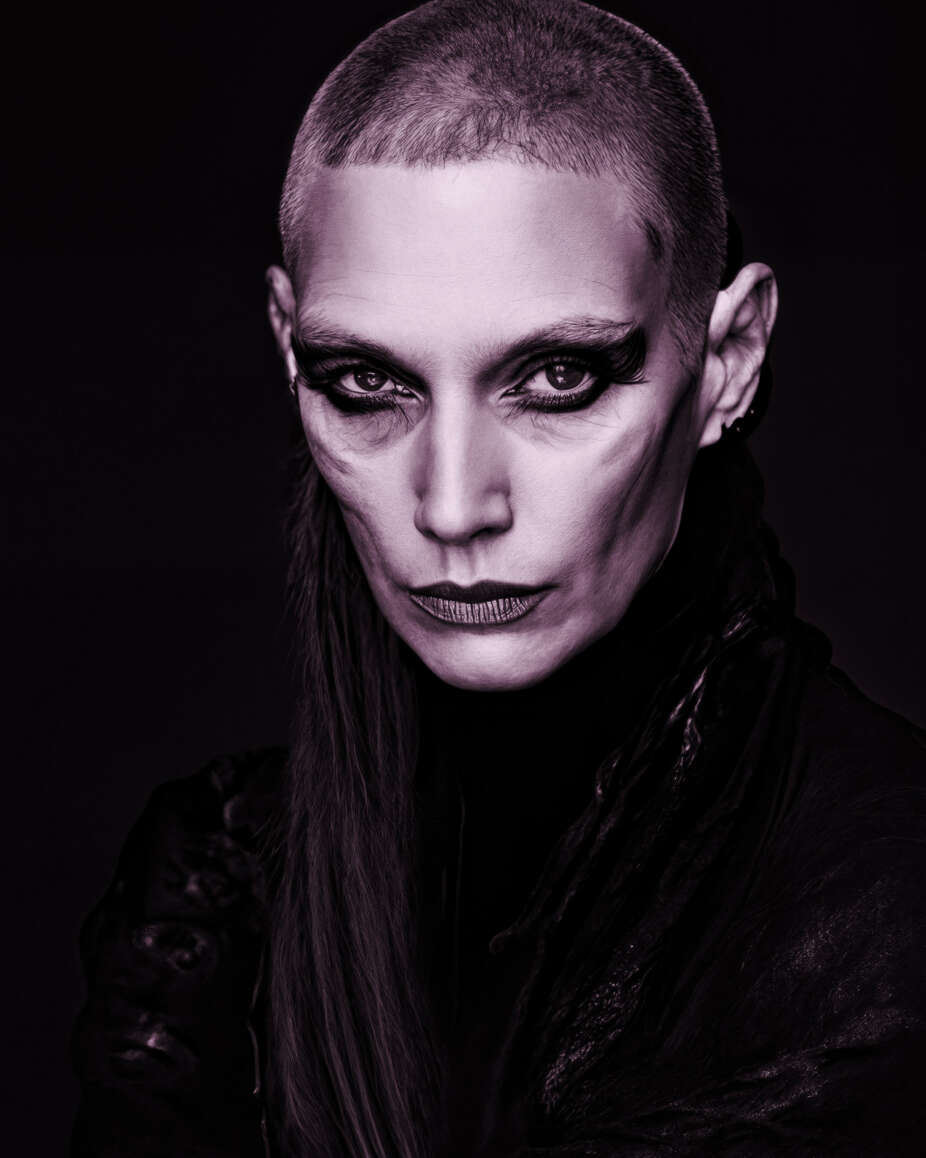
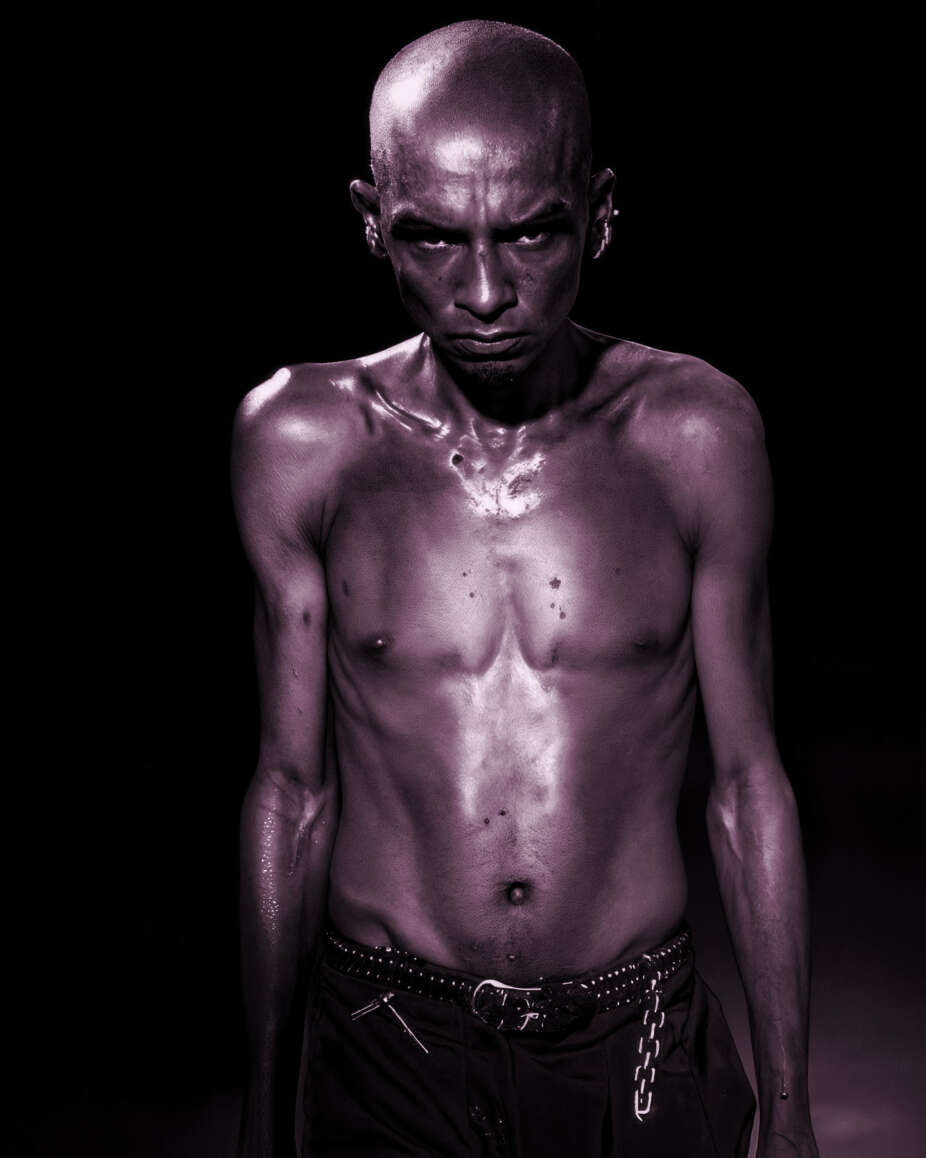
In 2026, the Easter Festival started a collaboration with the Berlin artist Mathias Vef, whose visual worlds will accompany the festival over the coming years. He is developing an ongoing narrative inspired by the epochal ruptures of the present; ruptures that, particularly through artificial intelligence, are becoming a global tremor. The portraits and still lifes he generates in this way are not illustrations of the stage; rather, they open up an autonomous aesthetic space. AI functions like a cultural meat grinder: humanity’s visual heritage is fragmented, deconstructed, and reassembled. Within this field of tension between fascination and apocalypse a visual world emerges that could be seen as an aesthetic swan song for a world in transformation – but also as a tribute to its cultural memory.