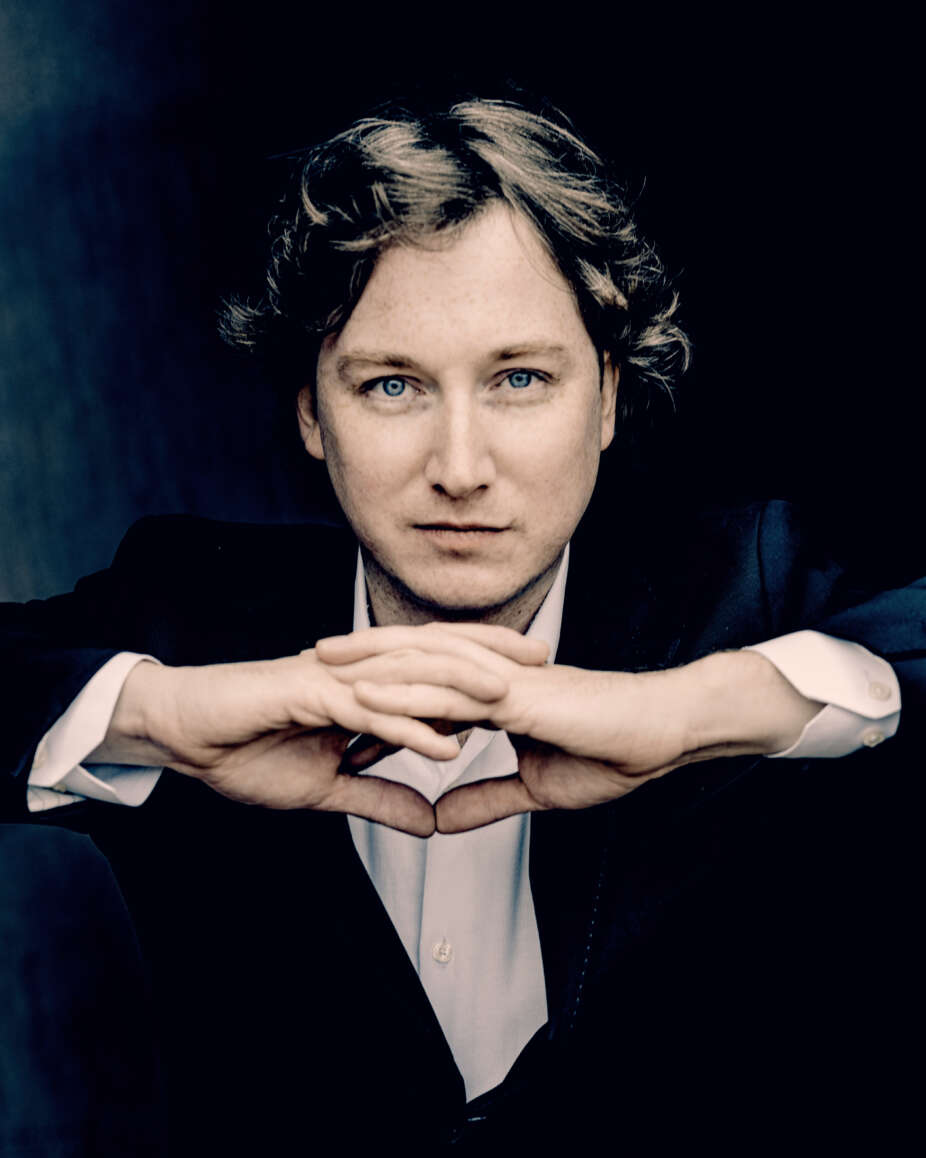
Felix Mendelssohn Bartholdy's miracle work »Elijah« is the centrepiece of the Choral Concert II on Good Friday. Since its triumphant premiere in 1846, this oratorio for soloists, choir and orchestra has been regarded as one of the greatest works of music literature - its »fans« have included personalities such as Queen Victoria and Prince Albert, the latter of whom even presented the composer with a signed programme as a sign of his admiration.
You started conducting at the age of 12. How did that happen?
My parents are musicians, so it was very easy for me to enter the world of music. My father was an orchestral musician, my mother a choral singer. From the age of three, I took part in the life of musicians, at concerts and behind the scenes. My father brought us textbooks from the library and I simply learnt music from them.
You recently said in an interview that it is important to »create an atmosphere of peace, calm and happiness for the duration of an evening«. Why is that so important?
For me, music is art when we create all the emotions right now, in this moment. So playing live is an art form. We experience so many impressions around us in everyday life, but in the concert hall it is important to create this harmony and peace - even if only for two hours. All of us together, orchestra, singers and the audience. I think we musicians would be happy if the audience could maintain this feeling outside the concert hall as well.
What is so special about Felix Mendelssohn Bartholdy?
I like Mendelssohn's approach to music. He started writing music when he was still very young - he was one of the first to return to old music at the beginning of the 19th century. When he performed pieces such as Johann Sebastian Bach's Passions with his orchestra, it was a big deal! And I find this extremely exciting combination in his music: the influence of early music and the romantic »Sturm und Drang« ...